
Why Biodegradable Can Rings Are Replacing Plastic Six-Pack Rings with Water-Resistant Cardboard
Biodegradable six-pack rings
Sarah had been planning this camping trip for months. Three days in the Cascades with her college friends, celebrating ten years since graduation. She’d packed everything perfectly: tent, sleeping bags, trail mix, and a cooler full of craft beer from her favourite local brewery.
But as she lifted the six-pack from the grocery bag, the plastic rings stretched and snapped. Two cans crashed to the pavement. Beer foamed everywhere.
“Not again,” she muttered, fishing the remaining cans from the puddle.
This frustrating moment, experienced by millions of consumers every year, explains why eco-friendly can rings are revolutionizing beverage packaging. Traditional plastic six-pack rings have long posed threats to wildlife, oceans, and landfills. At Earthrings, we’ve engineered biodegradable cardboard can rings that are stronger than plastic in outdoor conditions while offering complete environmental sustainability.
Our water-resistant can rings deliver the durability that breweries and beverage brands need, paired with the eco-conscious packaging that today’s consumers demand.
Water-Resistant Cardboard Can Rings: Engineered for Outdoor Durability
When we first told people we were building cardboard can rings for outdoor use, the reactions were... skeptical.
“Cardboard? In the rain?”
“What happens when it gets wet?”
“You know plastic exists, right?”
Fair questions. Traditional cardboard does turn to mush at the first sign of moisture. We’ve all seen it: the soggy pizza box, the collapsed moving carton after an unexpected rainstorm.
But what if cardboard didn’t have to be fragile?
Our engineering team spent two years testing materials, coatings, and fibre structures. We put prototypes through tough scenarios:
The Cooler Test: Submerged in ice water for 8 hours alongside melting ice and condensation-soaked cans.
The Monsoon Simulation: Outdoor festival conditions with sustained rainfall and mud.
The Beach Challenge: Salt spray, sand, humidity, and direct sunlight for an entire summer day.
The Refrigeration Marathon: 30 days in commercial cold storage with constant moisture exposure.
Earthrings survived them all
The key is our proprietary water-resistant treatment applied to the cardboard during manufacturing. This process enables the fibre structure to repel moisture while allowing some airflow. As a result, the packaging stays rigid when gripping cans, resists tearing during transport, and maintains structural integrity even if it rains during Sarah’s camping trip.
This isn’t cardboard that survives despite the outdoors. It’s sustainable packaging for breweries engineered specifically for real-world conditions.
Whether you’re looking for can rings for craft beer, outdoor beverage brands, or retail environments, Earthrings water-resistant technology outperforms traditional plastic while protecting the environment.
Biodegradable & Compostable: How Earthrings Decompose Naturally
This brings us to a key part of the Earthrings story.
Remember those plastic rings from Sarah’s broken six-pack? The ones that snapped in the parking lot? Even though they failed at their one job holding cans together, they’ll succeed spectacularly at something nobody wants: sticking around for the next 450 years.
Four hundred and fifty years.
A plastic ring tossed in the Renaissance would still exist. The one from last week will outlast generations.
We knew Earthrings had to tell a different story, one with a proper ending.
After Sarah’s trip and the last beer is enjoyed, here’s what happens to Earthrings:
Option 1: The Recycling Bin
Toss it in with cardboard and paper. It rejoins the recycling stream and becomes something new—maybe a cereal box, maybe notebook paper.
Option 2: The Compost Pile
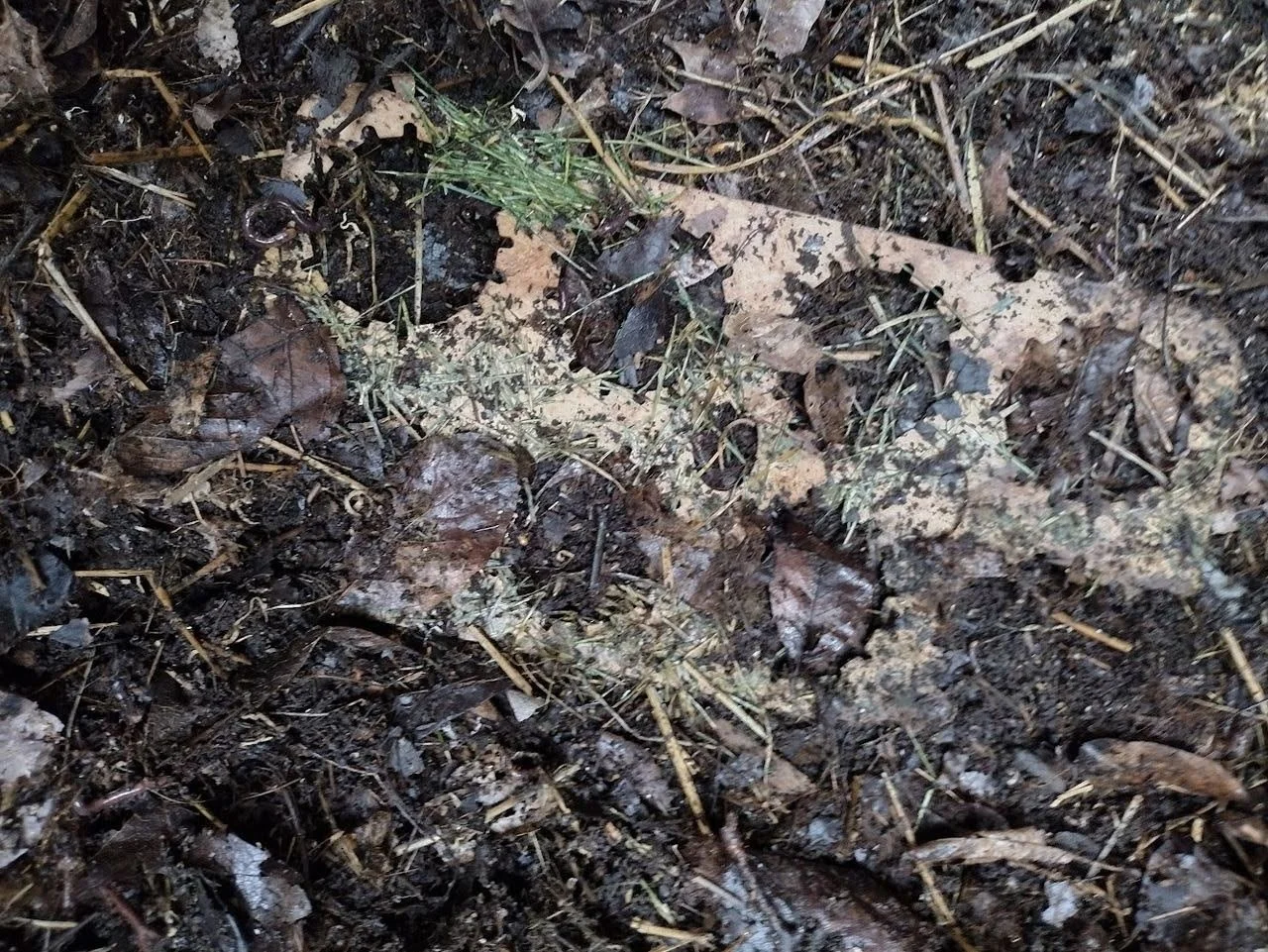
When placed in a backyard compost pile, Earthrings break down into organic matter within several months. They decompose through microbial activity, eventually becoming part of the soil and supporting plant growth.
Option 3: The Landfill (If Necessary)
If disposed of in a landfill, Earthrings break down over several months through natural biodegradation. Unlike plastic, they leave no toxic residue or microplastics and decompose into non-harmful organic compounds.
This is packaging with an exit strategy. It performs brilliantly during its working life, then gracefully disappears when the job is done.
Like the best guests at a party, Earthrings know exactly when to leave.
Key Benefits of Biodegradable Can Rings:
Recyclable with cardboard
Home compostable in months
No microplastics or toxins
Breaks down in landfills
Safe for wildlife and marine life
Wildlife-Safe Can Rings: Protecting Marine Life from Plastic Pollution
Plastic can rings are infamous for harming marine life and wildlife. Birds, turtles, and other animals can become trapped or injured by discarded plastic rings.
By switching to Earthrings cardboard can carriers, brands can:
Reduce their environmental footprint.
Support wildlife safety and marine conservation.
Align with sustainability goals and ESG initiatives.
Appeal to eco-conscious consumers who prefer plastic-free packaging
Our solution helps companies move away from harmful plastic packaging without sacrificing performance or presentation.
Sustainable Packaging for Craft Breweries & Beverage Brands
Circling back to Sarah from earlier, her camping trip led to an unexpected outcome.
She posted a photo on Instagram—six Earthrings-wrapped craft beers sitting on a log beside a mountain lake, sunset painting the sky orange and pink. The caption read: “Finally, a six-pack that can handle the trail AND doesn’t trash the trail. Props to @[Crustal Lake Brewing]for making the switch to @earthrings.”
That post got 3,000 likes and dozens of comments asking where to buy that beer.
This is the Earthrings effect. When brands make the switch, they’re not just changing packaging—they’re inviting customers into a better story.
Craft breweries are leading the charge, appealing to environmentally conscious consumers who scrutinize every aspect of the products they support. Your beer is local, organic, and thoughtfully crafted—shouldn’t the packaging reflect those same values?
Outdoor beverage brands have discovered that their customers (hikers, campers, kayakers) already live by “leave no trace” principles. Earthrings' packaging aligns perfectly with their lifestyle and values.
Progressive retailers use Earthrings-packaged products to differentiate their shelves, creating visual statements about their commitment to sustainability that customers notice and appreciate.
Ready-to-drink innovators in the soda, sparkling water, and cocktail spaces are reaching younger demographics who expect and demand that brands take environmental responsibility seriously.
Each of these brands discovered something powerful: **Sustainable can packaging** isn’t a compromise. It’s a competitive advantage.
Industries Using Earthrings:
Craft beer and microbreweries
Sparkling water and soda brands
Ready-to-drink cocktails and beverages
Outdoor and adventure beverage companies
Eco-conscious retailers and distributors
It’s packaging that customers photograph, share, and rave about—so why not join the movement? Make the switch to Earthrings today and lead your brand toward a more sustainable future.
Why Choose Earthrings: Cardboard Can Ring Features & Benefits
Every Earthrings carrier represents a series of commitments:
To your customers: Packaging that won’t fail during transport, won’t fall apart in wet conditions, and won’t embarrass them in the parking lot.
To your brand: Premium presentation that elevates your product and communicates your values without saying a word.
To wildlife: Zero entanglement risk, zero toxic chemicals, zero centuries-long environmental persistence.
To the planet: Renewable materials, responsible end-of-life options, and a genuine reduction in plastic pollution.
To innovation: Continuous improvement in materials science, proving that sustainability and performance aren’t opposing forces.
To authenticity: Real solutions, not greenwashing. Measurable impact, not marketing spin.
This is sustainable beverage packaging that works as hard as you do—in the warehouse, in transit, on the shelf, in the cooler, and at the campsite. Then it quietly disappears, leaving behind only good memories and no environmental harm.